


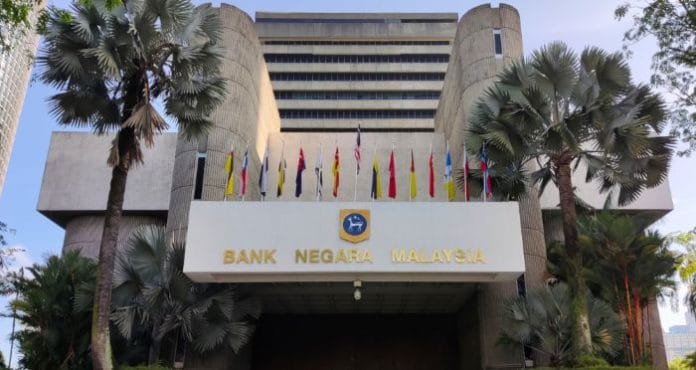
In a pre-emptive move to safeguard Malaysia’s economic trajectory, Bank Negara Malaysia (BNM) announced a 25-basis point reduction in its Overnight Policy Rate (OPR) to 2.75% during its Monetary Policy Committee (MPC) meeting on July 9. This decision, while arriving earlier than some anticipated, is seen as a strategic response to emerging global economic headwinds.
BNM, a Fitch Solution Company, highlighted in a statement that the OPR cut is a “pre-emptive measure aimed at preserving Malaysia’s steady growth path” and acknowledged “downside risks to growth stemming from a deeper economic slowdown in major trading partners.” This concern appears increasingly pertinent, with recent data showing a 4.3% decline in Malaysian shipments to Mainland China in May, following a 1.6% year-on-year increase in April. This suggests a softening in export growth after a strong first quarter.
The central bank did note “favourable trade negotiation outcomes” as a potential upside for growth. However, geopolitical factors and trade tensions, including threats of new tariffs on countries supporting the BRICS group, could present challenges for Malaysia’s external trade environment.
Regarding inflation, BNM currently expresses less concern. Headline inflation eased to 1.2% year-on-year in May, down from 1.4% in April, marking the twelfth consecutive month it has remained below the 10-year average of 2.0%. While the impending RON 95 fuel subsidy rationalization plan could introduce some price pressures, authorities are still in the final stages of discussions, suggesting implementation is unlikely before the fourth quarter of 2025. Furthermore, the targeted nature of this program, which aims to exclude the top 15% of income earners from the subsidy, is expected to limit its overall impact on headline inflation. BNM reiterated its view that “the overall impact of domestic reforms is expected to be contained.”
Analysts largely anticipate this to be the sole OPR cut in the current cycle, with the rate expected to remain at 2.75% for the rest of 2025, aligning with BNM’s cautious yet proactive approach to managing the nation’s economic stability.


